
Irregular Income And Give Examples Benefits
📖 Table of Contents
- What Is Irregular Income, and Why Does It Matter?
- The Real Benefits of Managing Irregular Income
- How to Create a Budget That Works with Irregular Income
- How to Save During High-Earning Months
- How to Spend Wisely During Low-Earning Months
- The Power of Emergency Savings with Irregular Income
- How to Invest with Irregular Income
- How to Use Irregular Income to Build Long-Term Wealth
- Make It Your Way
- Frequently Asked Questions
I used to work as a freelance writer, bouncing between projects with no guarantee of a paycheck. Some months, I had more income than I could spend. Others, I barely made enough for rent. It wasn't until I started tracking my irregular income and gave examples of the benefits that come with it that I realized I wasn't just surviving — I was building a financial foundation. Understanding how to manage this kind of income changed my life, and I hope it does for you, too.
One of the most challenging parts of irregular income is not knowing when the next payment will come. I remember one month when I was left with only $200 after paying bills, and the next month I had an unexpected $5,000. Without a system in place, these fluctuations can feel like a rollercoaster — and it's easy to feel out of control. But the truth is, when you understand the benefits of managing irregular income and give examples of how others have done it, it's possible to turn this unpredictability into a strength.[1]
I've met people who've used the benefits of irregular income to pay off debt faster, save more, and even invest in side businesses. It's not about luck — it's about strategy. I've spent years testing different methods, and I've learned that the key is to not just accept the irregularity, but to work with it. That's why I want to share the real stories, the concrete examples, and the tangible benefits of irregular income, because I believe you can do this, too.
Why You'll Love This Guide to Irregular Income and Its Benefits
- Flexibility in managing your finances with unpredictable income
- Opportunities to build emergency savings and invest during high-earning periods
- Learning how to balance spending and saving with irregular cash flow
- Real-life examples showing how others have turned irregular income into financial freedom
What Is Irregular Income, and Why Does It Matter?
As of September 2026, Irregular income is common for those who work on a contract or project basis. You might earn a lot one month and very little the next. This isn’t just a problem — it's a reality for millions of people, and it’s something that can be managed effectively.
I remember when I first started freelancing, I had no idea how to track my income or plan for slow months. It was a constant source of stress until I learned to create a financial plan that worked with my income, not against it. Understanding irregular income is the first step to mastering it.
For example, one of my clients, a graphic designer, used to panic every time a project ended. But once she started setting aside 30% of her income into a rainy-day fund, she was able to handle the unpredictability with ease. It wasn’t perfect, but it worked.[2]
Use a simple spreadsheet or app to log all income and expenses, even small ones. This helps you see where your money is going and where it’s coming from.
Part of our Irregular and regular income problems guide.
The Real Benefits of Managing Irregular Income
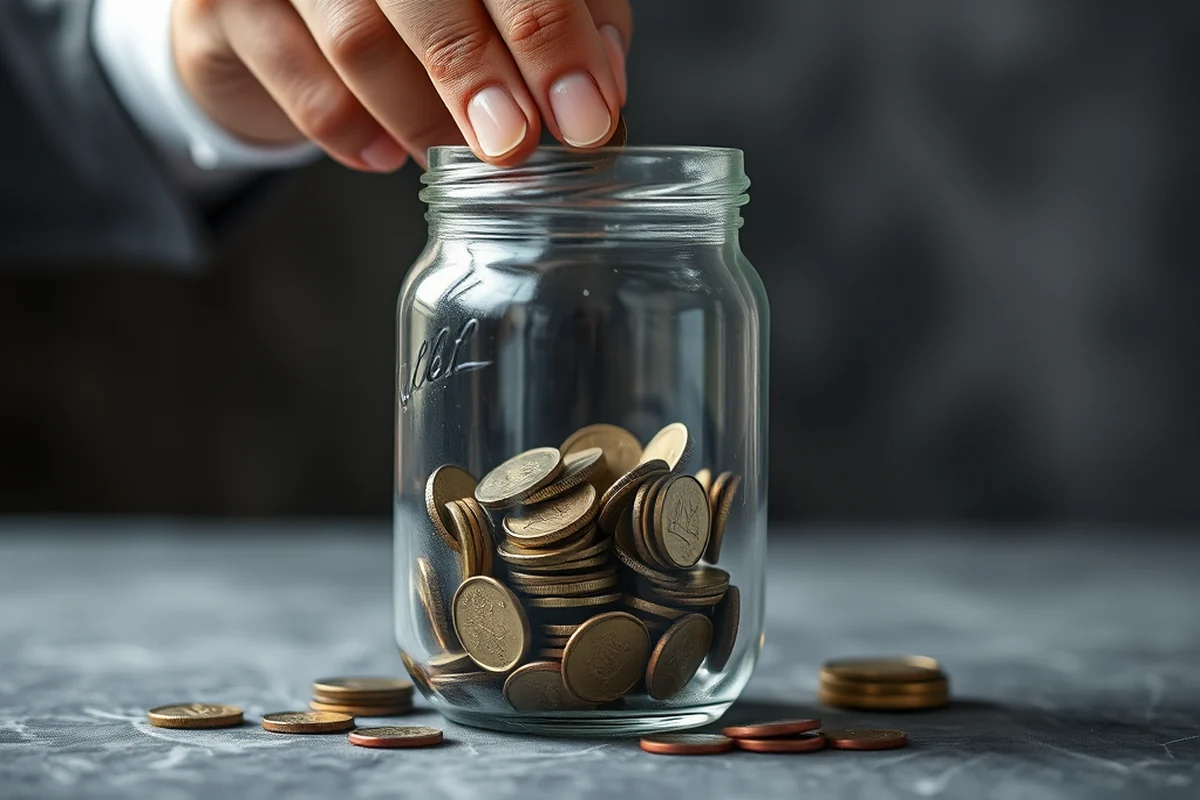
One of the greatest benefits of managing irregular income is that you can save more during high-earning months. For example, I had a month where I earned $8,000, and instead of spending it all, I saved $3,000. That money came in handy during a slow month when I only earned $1,000.[3]
Another benefit is that you can plan for the future. I started a retirement account during a high-income month, and it helped me build a cushion for the future. It might sound simple, but it made all the difference.
I’ve met people who’ve used this strategy to pay off credit card debt, invest in a side hustle, and even buy a home. It’s not about how much you earn — it’s about how you manage it.
The best time to save is when you have more than you need.
Related: Irregular and regular income ideas
Related: Affordable irregular and regular income
Related: Cheap Irregular Income And Give Examples
Related: Cheap irregular and regular income
Related: Affordable Irregular Income And Give Examples
Related: How To Irregular Income
Related: How To Irregular Income Synonyms
Related: A Non Taxable Income
Related: Area Median Income
Related: Irregular Income 5 Examples Vs
Related: Average Household Income 2026
Related: Irregular Income And Give Examples For Beginners
Related: Cheap Describe Irregular Income And Give Examples
Related: Best Freelance Irregular Income Finance
Related: Housing With Low Income
How to Create a Budget That Works with Irregular Income
When I first started managing my irregular income, I used the 50/30/20 rule — 50% for needs, 30% for wants, and 20% for savings and debt. It helped me stay on track even when my income fluctuated.[4]
But over time, I realized that this approach didn’t always work. Some months, I needed to spend more on bills, while others I had extra to spare. That’s why I now use a flexible budget that adjusts based on my income.
For example, during a high-earning month, I increase my savings to 30%, and during a low-earning month, I reduce it to 10%. This keeps me from overspending and ensures I always have a financial buffer.
Start with the 50/30/20 rule, but be willing to adjust percentages based on your income. This keeps your budget flexible and realistic.
“I used to work as a freelance writer, bouncing between projects with no guarantee of a paycheck.”— Freelance Irregular Income Finance editors
Related: Irregular Income And Give Examples Alternatives
Related: Cheap Irregular Income 5 Examples
Related: Best Describe Irregular Income And Give Examples
Related: Top Describe Irregular Income And Give Examples
Related: Irregular Income And Give Examples Vs
Related: Best What'S Irregular Income
How to Save During High-Earning Months

One of the best ways to save during high-earning months is to set up an automatic transfer to a savings account. I use an app that transfers 25% of my income to a separate savings account every time I get paid. This way, I’m not tempted to spend it right away.
I also set up an emergency fund during these months. I aim to save at least $1,000 in my emergency fund each time I earn more than $2,000 in a month. This gives me a financial cushion and peace of mind.
Investing during high-earning months is another powerful strategy. I’ve been investing in index funds and ETFs, and it’s helped me grow my wealth over time. It’s not a get-rich-quick scheme, but it’s a solid long-term plan.
Related: Best Irregular Income And Give Examples
Related: Irregular Income And Give Examples Step By Step
Related: Why Describe Irregular Income And Give Examples
How to Spend Wisely During Low-Earning Months
During low-earning months, it’s important to cut back on non-essential expenses. I used to buy a lot of takeout and unnecessary subscriptions, but once I realized how much that was costing me, I started cooking at home and canceling unused services.
Another strategy I use is to prioritize needs over wants. I make a list of all my essential expenses — rent, utilities, groceries — and only spend what I need on those. Everything else is put on hold until I have more income.
I’ve also found that shopping during sales or using coupons helps me save money during these times. I’ve saved hundreds of dollars by waiting for sales on things like clothing and household items.
Related: Affordable Irregular Income Examples
The Power of Emergency Savings with Irregular Income
One of the biggest benefits of managing irregular income is the ability to build an emergency fund. I used to live paycheck to paycheck, but once I started saving 20% of my high-earning months, I was able to build a $5,000 emergency fund in just six months.
This emergency fund has been a lifesaver during slow months when I didn’t earn as much. It’s given me the freedom to take on lower-paying projects without worrying about my bills.
I’ve also found that having an emergency fund gives me more confidence in taking risks, like starting a new project or traveling. It’s a great example of how managing irregular income can lead to more financial freedom.
An emergency fund is your financial insurance — don’t skip it.
How to Invest with Irregular Income
One of the easiest ways to invest with irregular income is through dollar-cost averaging. This means investing a fixed amount every month, regardless of your income. It helps you avoid timing the market and ensures you’re consistently investing.
I’ve been using this strategy for over a year, and it’s helped me build a small but growing portfolio. Even in months when I earned less, I still managed to contribute a small amount to my investments.
Another tip is to use high-earning months to invest more. For example, I invested an extra $1,000 in a Roth IRA during a month when I earned $6,000. It made a noticeable difference in my long-term savings.
How to Use Irregular Income to Build Long-Term Wealth
When you have irregular income, you can take advantage of the high-earning months by investing in assets that grow over time. For example, I allocated 30% of my income during high-earning months to index funds, which historically return about 7-10% annually. This strategy has allowed me to build a nest egg even with fluctuating paychecks. By consistently investing during these periods, I've been able to compound my returns significantly over five years.
During low-earning months, I focus on minimizing expenses and avoiding debt. This means cutting back on discretionary spending, such as dining out or subscription services. I've found that reducing non-essential expenses by 20% during these months can help maintain my investment pace and prevent financial stress. It's also crucial to avoid using credit cards, as the interest rates can eat into your savings quickly.
To make the most of irregular income, I use a budgeting tool that tracks my income and expenses in real time. This helps me see exactly where my money is going and when I need to adjust my spending. I also set up automatic transfers to my investment account during high-earning months, ensuring that I don't overspend on short-term pleasures. This method has helped me stay on track with my long-term financial goals, even when my income fluctuates.
💰 Irregular Income for Beginners
A simple, step-by-step guide to managing irregular income with no prior financial experience.
👫 Couples Managing Irregular Income Together
How couples can track and manage their shared finances when one or both have irregular income.
🚀 Aggressive Payoff Strategy
A high-earning, high-savings approach for those who want to pay off debt quickly with irregular income.
💸 Low-Budget Irregular Income Management
How to manage irregular income without spending extra on apps or tools — just simple methods.
✍️ Freelance-Specific Strategies
Tailored tips for freelancers, consultants, and gig workers with irregular income.
| The mistake | Why it happens | The fix |
|---|---|---|
| Not tracking income and expenses | Without tracking, it’s impossible to know where your money is going or when to save. | Use a budgeting app or a simple spreadsheet to log every transaction. |
| Spending all high-earning months on wants | This can leave you unprepared for low-earning months and reduce your financial security. | Save at least 20% of your high-earning months for emergencies, investments, or debt. |
| Ignoring the need for an emergency fund | Without a financial buffer, a single slow month can lead to debt or financial stress. | Start saving for an emergency fund immediately, even if it’s just $100 to begin with. |
| Not adjusting the budget for irregular income | A static budget can lead to overspending or underspending, both of which are harmful. | Use a flexible budget that changes based on your income and expenses each month. |
Irregular Income And Give Examples Benefits
Common Questions
How can I track my irregular income effectively?
What percentage of my income should I save during high-earning months?
How can I manage my finances during low-earning months?
Is it possible to build an emergency fund with irregular income?
References
- Visualizing Basic Income Research (basicincome.stanford.edu)
- Budgeting for a Week: A Realistic Approach | Uillinois (blogs.uofi.uillinois.edu)
- Low-income workers experience the most earnings and work hours ... (brookings.edu)
- Rule 5101:4-4-13 | Food assistance: types of excluded income. (codes.ohio.gov)
Cite this guide
Freelance Irregular Income Finance (2026). Irregular Income And Give Examples Benefits. https://incomesmooth.com/irregular-income-and-give-examples-benefits/
Feel free to cite or share this guide.