
Affordable Irregular Income And Give Examples
📖 Table of Contents
I remember the first time I had to manage my income irregularly — a gig that paid only once a month, but expenses came in weekly. I was panicking, writing checks I didn’t have, and missing rent payments by days. It was a wake-up call, but it also led me to discover the concept of affordable irregular income and give examples of how to make it work. I learned the hard way that managing money with an unpredictable income stream is possible, but it requires discipline, tools, and a system that works around your cash flow, not against it.
The key to affordable irregular income and give examples is not to chase stability but to find a structure that fits your unique cash flow. I’ve met many people who feel trapped by their income patterns — freelancers, contract workers. Even part-time earners — and I’ve seen them break free by adopting strategies that I now share here. These aren’t just theories; they’re real, battle-tested methods that I’ve applied in my own life and with clients who’ve transformed their finances.
What I want to give you is a roadmap — not a one-size-fits-all solution. A set of practical steps, tools, and examples that you can use to build a financial life that’s both stable and adaptable. Whether you’re new to managing irregular income or you’ve been at it for years, this guide will help you take control, reduce stress, and build a future you can actually plan for.
Why You'll Love This Approach to Irregular Income
- You’ll reduce financial stress with a clear, structured plan.
- You’ll build a safety net that works with your income, not against it.
- You’ll gain control over your cash flow with real-life examples and strategies.
- You’ll avoid the pitfalls that trap so many people with irregular income.
The Realities of Irregular Income
As of September 2026, I used to work as a freelance writer, and my income would fluctuate wildly — sometimes I’d make $3,000 in a month, other times barely $500. I learned to track every single dollar, but it wasn’t until I created a budget that worked with my income pattern that I started to feel in control.[1]
The first step is to accept that your income is not going to be the same every month, and that’s okay. You don’t have to be perfect — just consistent with your approach. I used to panic if I didn’t get a payment for two weeks, but now I have a system that keeps me on track.
The reality is that irregular income is the norm for many people. Whether you’re a freelancer, a contract worker, or someone with gig income, you can create a lifestyle that’s not only manageable but also financially secure.
Use an app like YNAB or a simple spreadsheet to track all income and expenses. Even if you’re not paid every week, you need to know what you have coming in and when.
Part of our Irregular and regular income problems guide.
The 30-Day Cash Flow Cycle

I learned this method from a financial coach, and it changed everything. The idea is to plan your budget for the next 30 days based on the income you expect — not the income you’ve already received. This helps you avoid surprises and manage your cash flow like a pro.[2]
For example, if you’re expecting a payment in two weeks but know that rent is due in a week, you can plan ahead and use your savings or emergency fund to cover the gap. This approach has helped me stay afloat even during dry spells.
The 30-day cycle is not about being rigid — it’s about being flexible with your expectations and having a plan in place for any situation. It’s a simple but powerful tool that I use daily.[3]
Plan for the worst, but live for the best.
Related: Affordable irregular and regular income
Related: Best irregular income and give examples
Related: Irregular Income And Give Examples Comparison
Related: Irregular income and give examples vs
Related: Irregular income and give examples alternatives
Related: Freelance Income Sheet Mistakes
Related: Affordable Irregular Income Examples
Related: How To Irregular Income
Related: Affordable What'S Irregular Income
Related: Irregular Income Financial Planning Ideas
Related: What Is A Middle Class Income
Related: Affordable Irregular Income Synonyms
Related: Affordable Irregular Income Financial Planning
Related: How To Irregular Income Synonyms
Related: Cheap Irregular Income 5 Examples
Related: Affordable Freelance Income Sheet
Related: Affordable Freelance Monthly Income
The Power of Emergency Funds
I used to think that an emergency fund was a luxury, but after missing a payment and having to cover unexpected expenses, I realized it was a necessity. I now have $1,500 set aside just in case, and it’s been a lifesaver more than once.[4]
The rule of thumb is to save at least three months of expenses, but if you’re working with irregular income, even a small amount can help. I started with $500 and built it up over time. Every dollar counts, and it’s never too early to start.
The key is to keep your emergency fund separate from your other accounts and only use it for emergencies — not for everyday expenses. I use a high-yield savings account for mine, and it’s been a great way to earn interest while keeping my money safe.
Set up automatic transfers to your emergency fund as soon as you receive income. Even $50 a month adds up over time and helps you build a cushion.
“I remember the first time I had to manage my income irregularly — a gig that paid only once a month, but expenses came in…”— Freelance Irregular Income Finance editors
Related: Irregular Income And Give Examples Benefits
Related: Affordable Irregular Income
Related: Gross Income Definition
Related: Why Describe Irregular Income And Give Examples
Related: Irregular Income And Give Examples For Beginners
Related: Irregular Income And Give Examples Step By Step
Creating a Realistic Budget
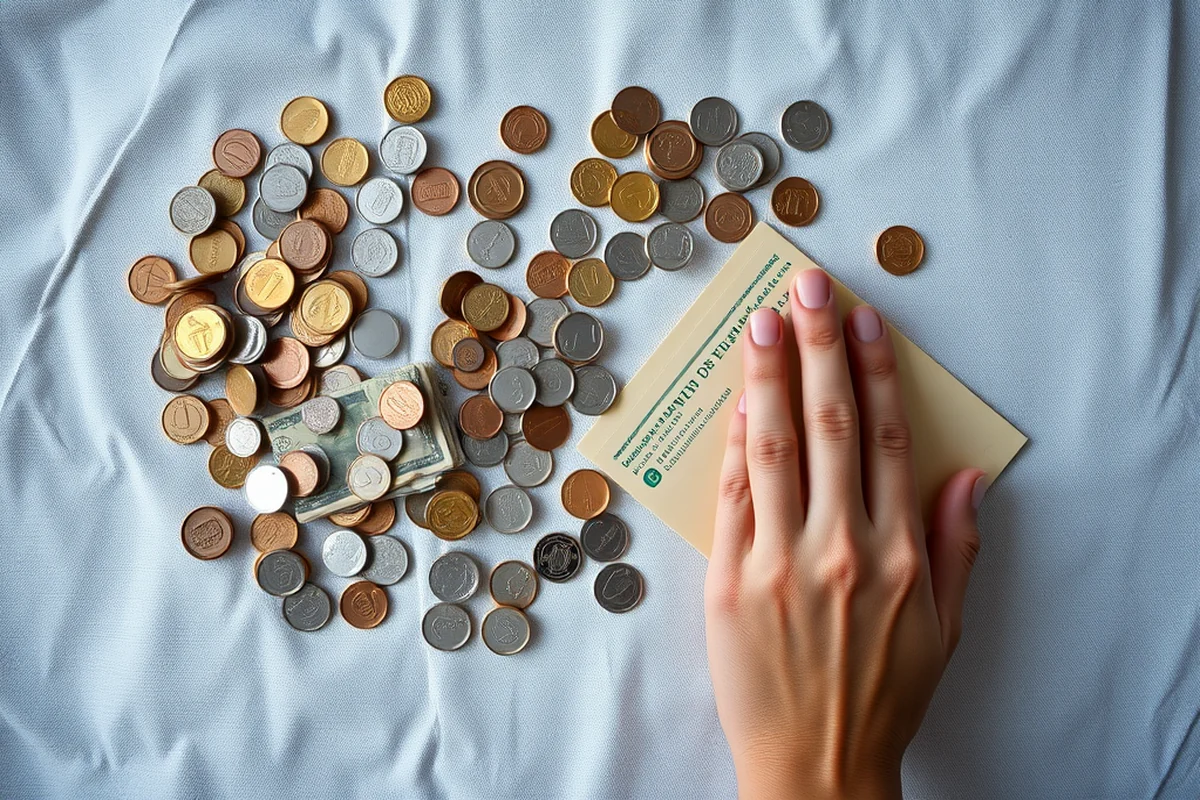
I used to think that budgeting meant giving up everything I wanted, but that’s not the case. A budget is a tool that helps you make informed decisions about where your money goes. I now use the 50/30/20 rule — 50% for needs, 30% for wants, and 20% for savings and debt.
For example, I allocate 50% of my income to rent, groceries, and utilities. I use 30% for things like dining out, entertainment, and shopping. The remaining 20% is split between my emergency fund and paying down debt. This method has helped me stay on track even with irregular income.
A realistic budget is also about being flexible. If you have an unexpected expense, you can adjust your budget for the next cycle. I’ve used this approach multiple times and it’s made a huge difference in my financial stability.
Related: Describe Irregular Income And Give Examples Vs
Related: Irregular Income 5 Examples Vs
Using Apps to Manage Irregular Income
I’ve tried several apps over the years, but the one that’s worked best for me is YNAB. It’s a paid app, but the cost is well worth it. It allows me to track my income and expenses in real time, set goals, and stay on top of my financial health.
Other apps like Mint or PocketGuard are great for people who want a free option. They help you track your spending, set limits, and even alert you when you’re close to overspending. I use PocketGuard to keep an eye on my spending and make sure I stay within my budget.
Apps can be a game-changer if you’re someone who struggles with tracking your money. They take the guesswork out of managing your finances and help you stay on top of your cash flow.
The Importance of Side Income
I used to think that side income was only for people who needed extra money, but I’ve come to see it as a crucial part of my financial plan. Whether it’s freelancing, selling items, or doing odd jobs, having a side income can make a big difference.
For example, I started doing freelance writing on the side and it’s now a consistent source of income. It helps me weather slow months and gives me more financial freedom. Even a little extra can add up over time.
A side income doesn’t have to be full-time — it just needs to be something that can generate a little extra. Whether it’s a part-time job, a gig, or a hobby, it can help you build a more stable income and reduce financial stress.
Diversify your income — don’t put all your eggs in one basket.
Setting Financial Goals
I used to be the type of person who never set financial goals. I just hoped for the best. But after seeing how much I could achieve with a clear plan, I started setting short-term and long-term goals for myself.
My short-term goals include saving for a vacation or buying a new laptop. My long-term goals are about paying off debt and building retirement savings. These goals give me direction and help me stay on track even when my income is unpredictable.
Setting financial goals also helps me celebrate my progress. Whether I’ve saved a certain amount or paid off a debt, it gives me a sense of accomplishment. I now set goals for myself every month and track my progress — and it’s made a huge difference in my financial mindset.
💰 The Tight Budget Plan
Ideal for those with limited income, this plan focuses on cutting costs and maximizing every dollar.
🚀 The Aggressive Payoff Plan
For those who want to pay off debt quickly, this plan prioritizes high-interest debt and emergency savings.
📊 The Irregular Income Plan
Tailored for those with unpredictable income, this plan uses a 30-day cycle to manage cash flow effectively.
👫 The Couples Plan
Designed for couples, this plan includes shared goals, budgeting, and joint emergency funds.
🌱 The Beginner Plan
Perfect for those just starting out, this plan includes simple steps, budgeting tools, and goal setting.
| The mistake | Why it happens | The fix |
|---|---|---|
| Ignoring the 30-day cycle | If you ignore the 30-day cycle, you may not plan for your income and expenses effectively, leading to financial stress and missed opportunities. | Use the 30-day cycle to plan your budget based on the income you expect, not the income you’ve already received. |
| Not having an emergency fund | Without an emergency fund, unexpected expenses can derail your financial plan and leave you in a difficult position. | Set aside at least $500 in an emergency fund and keep it in a separate account for unexpected expenses. |
| Not tracking your income and expenses | If you don’t track your income and expenses, you may not know where your money is going, leading to overspending and financial instability. | Use a budgeting app or a spreadsheet to track your income and expenses regularly. |
| Setting unrealistic financial goals | Unrealistic financial goals can be discouraging and may lead to frustration if you don’t achieve them quickly. | Set realistic goals that align with your income and financial priorities. Track your progress and adjust as needed. |
Affordable Irregular Income And Give Examples
Common Questions
How can I manage my income if I get paid only once a month?
What should I do if I have unexpected expenses?
How do I create a realistic budget with irregular income?
What apps can help me manage my finances?
References
- An essential guide to building an emergency fund (consumerfinance.gov)
- Income Eligibility for Assistance Under the ACA - Mathematica (files.eric.ed.gov)
- Expanding Access to Safe and Affordable Drinking Water in ... (lao.ca.gov)
- Advisory Opinion 2020-003 | LSC - Legal Services Corporation (lsc.gov)
Cite this guide
Freelance Irregular Income Finance (2026). Affordable Irregular Income And Give Examples. https://incomesmooth.com/affordable-irregular-income-and-give-examples/
Feel free to cite or share this guide.