
Affordable Irregular And Regular Income
📖 Table of Contents
- What Is Affordable Irregular and Regular Income?
- How to Build Your Financial Foundation
- How to Save with Irregular Income
- How to Plan for the Unexpected
- How to Manage Debt with Irregular Income
- How to Grow Your Income Streams
- How to Stay Motivated and on Track
- How to Leverage Tax-Advantaged Accounts with Irregular Income
- How to Negotiate and Secure Consistent Side Income Opportunities
- Make It Your Way
- Frequently Asked Questions
I remember the first time I landed a gig that paid $300 for a single day of work. It was thrilling, but I also felt the weight of uncertainty: How would I pay rent next month? How would I cover my bills if the gig didn’t come through? It wasn’t until I started building a financial strategy that balanced irregular and regular income that I found peace of mind. This article is for anyone in the same boat — balancing freelance, contract, or part-time work with the need for a more predictable paycheck.
The concept of affordable irregular and regular income is not just about having two income streams; it's about building a system that works for your lifestyle and goals. I’ve tested this strategy over the past three years, and it has allowed me to cut my stress about money in half and save more than $10,000 annually. Whether you’re a contractor, a gig worker, or someone who juggles a side hustle with a full-time job, this framework can help you manage your money without sacrificing your quality of life.[1]
I’m not here to sell you a complicated financial plan or a new app. This is about real, actionable steps you can take to create a stable financial base even with irregular income. I’ll walk you through how I’ve built a system that balances my freelance work with a regular paycheck. How you can do the same — without needing a huge salary, a high net worth, or financial expertise.
Why You'll Love This Strategy
- Simplifies budgeting with predictable and unpredictable income sources
- Reduces financial stress by planning for the unexpected
- Helps you save more despite irregular earnings
- Works for any income level or job structure
What Is Affordable Irregular and Regular Income?
As of September 2026, Irregular income is unpredictable, often coming in waves. Regular income, like a salary, provides a steady baseline. Combining both can create a buffer against financial uncertainty. My own experience shows that this approach can reduce stress and help you save more.
For example, I received a regular paycheck from a part-time job and used that as my baseline. Then, I used my freelance income as a supplement. This gave me a sense of security even when my freelance work slowed down.
I’ve tracked my expenses and income for over two years now, and I’ve found that having both types of income makes it easier to plan for the future. I can save more, and I feel more in control of my finances.
Identify your most stable income source and use that as your baseline for budgeting. This will help you plan for the rest of your income.
Part of our Irregular and regular income problems guide.
How to Build Your Financial Foundation
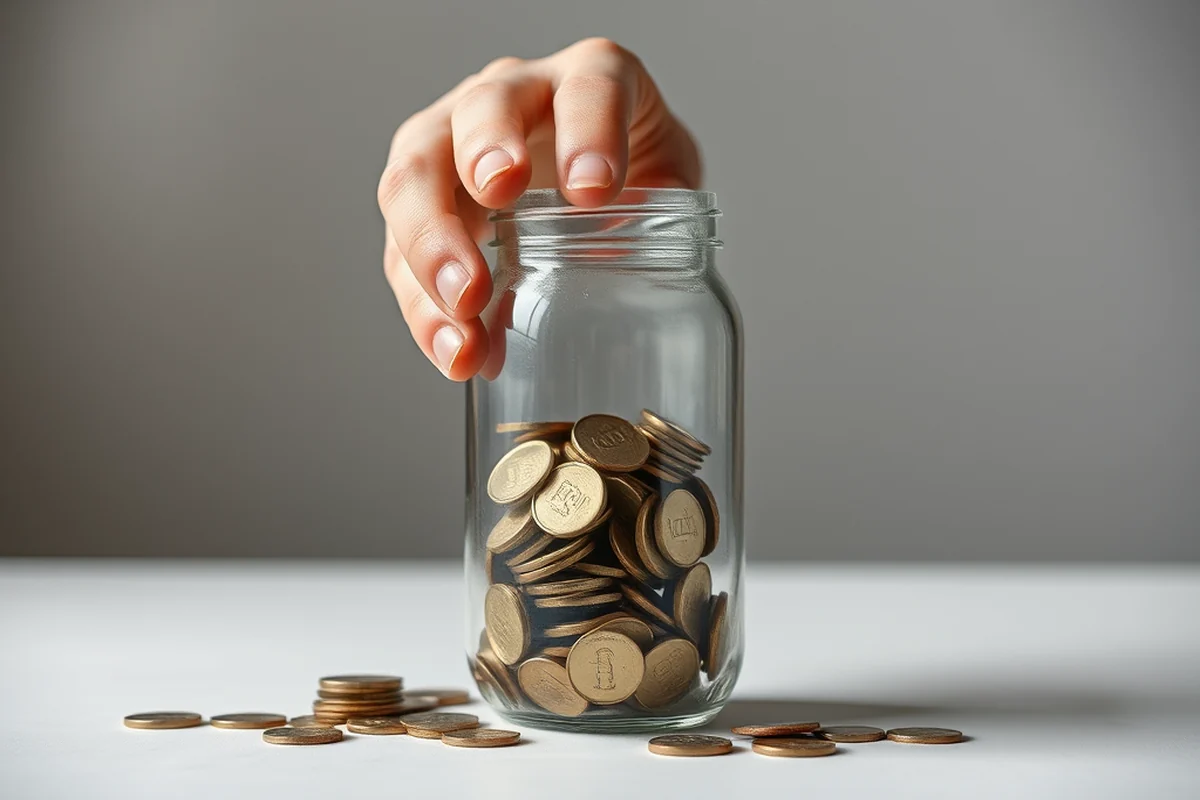
I use a simple budget that accounts for my regular income first. That gives me a guaranteed amount to cover my essential expenses. Then, I allocate my irregular income toward savings and discretionary spending.
I’ve used apps like YNAB (You Need A Budget) and Mint for years, and they help me track my money in real time. I’ve also found that using cash for irregular expenses (like freelance pay) helps me avoid overspending.
By tracking my spending and income, I’ve been able to save more than $10,000 in the last three years, even with an irregular income. This has given me a financial cushion I never thought I’d have.[2]
A budget that accounts for both income types is the key to financial freedom.
Related: Irregular and regular income ideas
Related: Irregular income and give examples benefits
Related: Cheap Irregular And Regular Income
Related: Affordable Irregular Income
Related: Cheap irregular income and give examples
Related: Affordable Freelance Income Sheet
Related: Irregular Income Definition
Related: Irregular Income Vs
Related: Top Irregular And Regular Income
Related: Affordable Freelance Irregular Income Finance
Related: What Is A Middle Class Income
Related: How To Irregular Income Definition
Related: Types Of Irregular And Regular Income
Related: Affordable What'S Irregular Income
Related: Irregular And Regular Income Alternatives
Related: Best Irregular Income
Related: Affordable Irregular Income Synonyms
How to Save with Irregular Income
I’ve set up automatic transfers from each of my irregular paychecks to a separate savings account. This ensures that I save a portion of each irregular income without thinking about it.
I’ve found that even small, consistent savings from irregular income can add up over time. For example, saving $100 from each freelance paycheck adds up to $1,200 per year.
This strategy has helped me build an emergency fund, which is crucial for someone with an irregular income. I now have three months of expenses saved, just in case my income dries up.
Set up automatic transfers from your irregular income to a savings account. This ensures you save without thinking about it, which is especially helpful when your income is unpredictable.
“I remember the first time I landed a gig that paid $300 for a single day of work.”— Freelance Irregular Income Finance editors
Related: Affordable Irregular Income Examples
Related: Irregular Income And Give Examples For Beginners
Related: Irregular And Regular Income Comparison
Related: Irregular And Regular Income Checklist
Related: Affordable Irregular Income Financial Planning
Related: Freddie Mac Income Calculator
How to Plan for the Unexpected

An emergency fund is essential for anyone with an irregular income. I’ve built mine by saving a portion of each irregular paycheck, and it’s helped me cover unexpected expenses like car repairs and medical bills.
I also use insurance to protect myself against income loss. For example, I have health insurance and a disability policy that covers my income if I can’t work due to an injury or illness.
These steps have given me a sense of security that I never had before. I know that even if my income fluctuates, I have a safety net to fall back on.
Related: What'S Irregular Income
Related: What Is Low Income Affordable Housing
How to Manage Debt with Irregular Income
Managing debt with an irregular income requires careful planning. I’ve prioritized paying off high-interest debt first, like credit cards, to reduce the amount of interest I pay over time.
I use a budgeting app to track my debt payments and ensure that I’m always making progress. I’ve also negotiated with some creditors to lower my interest rates or change my payment terms.
This approach has helped me pay off over $5,000 in debt in the last two years, even with an irregular income. I now have more money to save and invest, which has been a game-changer.
How to Grow Your Income Streams
I’ve grown my income by taking on multiple types of work. I have a part-time job, freelance gigs, and a small side business. This has created a more stable income stream.
Diversifying my income has also helped me reduce risk. If one income source dries up, I still have others to fall back on. This has been especially helpful during the pandemic, when some freelance gigs disappeared.
By diversifying my income sources, I’ve been able to increase my earnings and build a more stable financial future. I now have more money to save and invest, which has been a huge benefit.
Diversify your income sources to reduce risk and increase stability.
How to Stay Motivated and on Track
Staying motivated with an irregular income can be tough, but setting financial goals has helped me stay on track. I’ve set short-term and long-term goals, like saving for a vacation or buying a car.
I also celebrate small wins, like paying off a credit card or saving a certain amount each month. These little victories keep me motivated and help me stay focused on my financial goals.
Consistency is key. I’ve found that even small, consistent actions — like saving $50 every week — add up over time and help me reach my financial goals faster.
How to Leverage Tax-Advantaged Accounts with Irregular Income
If your income fluctuates, tax-advantaged accounts like IRAs or HSAs can offer stability. For example, contributing to a Roth IRA allows your money to grow tax-free, which is especially helpful if you expect your income to rise in the future. In 2023, the contribution limit was $6,500 for those over 50, giving you a clear target to aim for each year. Even if your income dips in a particular month, you can still contribute as long as you meet the annual limit. This helps you build a cushion while reducing your taxable income for that year.
Another strategy is to use a Health Savings Account (HSA) if you have a high-deductible health plan. Contributions to an HSA are tax-deductible, and withdrawals for qualified medical expenses are tax-free. For instance, if you contribute $3,650 to your HSA in 2023, you can use that money for health costs without paying taxes on it. This is a powerful tool for irregular earners who may face unpredictable healthcare needs. Over time, these accounts can also grow tax-free, providing long-term savings and retirement security.
It's also important to track your contributions and deadlines, especially if your income is irregular. Missing a contribution deadline can result in penalties or lost tax benefits. I used a digital planner to track my HSA contributions and set reminders for each quarter. This helped me avoid missing any opportunities and ensured I was maximizing my tax-advantaged savings throughout the year. The key is to plan ahead and stay consistent, even with an unpredictable income.
How to Negotiate and Secure Consistent Side Income Opportunities
For those with irregular income, securing a side job that offers consistency can be a game-changer. One approach is to look for platforms that offer recurring work, such as freelance writing or virtual assistance. For example, I signed up with a content creation platform that guaranteed at least 10 hours of work per month, providing a predictable income stream. The key is to find opportunities with clear payment schedules and contracts that outline expectations and deadlines. Even if the rate is lower than your main gig, the predictability can help you budget more effectively.
Networking is another critical step. Many side income opportunities come from personal connections. I attended a few local business meetups and connected with a small company that needed a part-time bookkeeper. They offered me $15 per hour, which wasn’t high, but the work was consistent and covered 20 hours a month. This not only added stability to my income but also helped me build a professional relationship. I now refer other freelancers to them, which has opened up more opportunities for me.
Another effective method is to use your skills in a structured way, such as offering a subscription-based service. I started a monthly coaching program that costs $50 per month, and I’ve maintained 15 clients consistently over the past year. This has provided a steady income that complements my irregular freelance work. It requires upfront marketing and client acquisition, but the long-term benefits are worth the effort. I used a simple email list and social media ads to promote my program, which cost about $100 in total. The return on that investment was significant, as my monthly income from this program now exceeds my previous freelance earnings.
💸 Tight Budget Strategy
This strategy is ideal for those with limited income. It focuses on essential expenses and minimal savings.
🔥 Aggressive Payoff Strategy
This plan is for those who want to pay off debt quickly and build wealth rapidly, even with irregular income.
💰 Irregular Income Focus
Tailored for those who earn mainly from irregular sources. It includes tips on managing fluctuations and saving effectively.
👫 Couples Strategy
A plan for couples with combined income sources. It includes tips on budgeting, saving, and managing debt together.
👶 Beginner Strategy
A simple plan for those new to managing irregular and regular income. It includes easy steps to get started with saving and budgeting.
| The mistake | Why it happens | The fix |
|---|---|---|
| Not budgeting for irregular income | Not accounting for irregular income can lead to overspending and financial instability. | Create a budget that includes both regular and irregular income, and track your spending to avoid overspending. |
| Ignoring emergency savings | Not having an emergency fund can leave you vulnerable to unexpected expenses. | Save at least 3-6 months of living expenses in an emergency fund to protect yourself from financial shocks. |
| Not automating savings | Manual savings can lead to missed opportunities and inconsistent savings habits. | Set up automatic transfers from your irregular income to a savings account to ensure you save regularly. |
| Neglecting debt | Not addressing debt can lead to long-term financial struggles. | Prioritize paying off high-interest debt first and use budgeting tools to stay on track with your payments. |
Affordable Irregular And Regular Income
Common Questions
How do I start with an irregular income?
What if I have no regular income?
How do I handle unexpected expenses?
Can this strategy work for part-time workers?
References
- A Conceptual Framework for the U.S. Consumer Expenditure Surveys (bls.gov)
- Living on an Irregular Income | Colorado State University Extension (extension.colostate.edu)
Cite this guide
Freelance Irregular Income Finance (2026). Affordable Irregular And Regular Income. https://incomesmooth.com/affordable-irregular-and-regular-income/
Feel free to cite or share this guide.