
Describe Irregular Income At Home
📖 Table of Contents
- Understanding Irregular Income at Home
- Creating a Budget That Works for Irregular Income
- Planning Meals and Groceries for an Irregular Income
- Setting Up Emergency Savings for Irregular Income
- Managing Debt with Irregular Income
- Reducing Stress Through Financial Planning
- Building a Support System for Irregular Income
- Make It Your Way
- Frequently Asked Questions
I remember the first month I started freelancing — my income was like a rollercoaster. One week I had to pay for my sister’s car repair, and the next, I was saving a chunk from a big client. Describing irregular income at home felt impossible. I didn’t have a salary, a budget, or even a clear idea of how to plan for the future. It was confusing, stressful, and honestly, a bit overwhelming. But over time, I learned to adapt and find balance. Describing irregular income at home isn’t just about numbers; it’s about knowing your cash flow, managing your space, and planning your time with intention.
When you live on an irregular income, your home becomes a kind of financial mirror. You see your habits, your priorities, and your limits more clearly. I remember one night when I had to decide whether to buy groceries or rent a movie — and I chose groceries. That choice told me a lot about my values and my ability to live within my means. Describing irregular income at home isn’t just about how much you earn; it’s about how you choose to spend, save, and structure your life around that income. It’s a deeply personal journey, one that requires honesty and a willingness to adjust as needed.
Now, after years of living on an irregular income, I’ve built a system that works for me. I track my money every week, I plan my meals in advance, and I have a few emergency funds tucked away. Describing irregular income at home is no longer a struggle — it’s a skill I’ve learned to master. It’s not always easy, but it’s worth it. If you’re someone who’s trying to make sense of your finances and find stability in the chaos of irregular income, I hope this article helps you feel more in control, more prepared. More confident in your ability to manage your home life.
Why You'll Love This Approach to Irregular Income at Home
- You’ll learn to budget without a regular paycheck — and thrive in the process.
- You’ll reduce stress by building a financial safety net tailored to your income patterns.
- You’ll make better use of your space and time by aligning your habits with your income.
- You’ll feel more in control of your home life and financial future.
Understanding Irregular Income at Home
As of September 2026, when I first started freelancing, I didn’t know how to plan for months when I’d make nothing. My home became a place of constant uncertainty. I’d buy groceries for the week, only to find myself with a surplus or a shortage. I realized that I needed a way to describe irregular income at home in a way that was practical and sustainable. That meant learning how to budget based on averages, not fixed salaries.[1]
I started tracking my income over a 30-day period and noticed that I had a few high-earning weeks and a few low ones. This taught me that I couldn’t rely on any single month — I had to plan based on the long-term average. I adjusted my spending accordingly, and it made a huge difference. It wasn’t perfect, but it gave me a sense of control that I hadn’t felt before.[2]
Now, I use a simple tracking app to monitor my income and expenses every week. It helps me see where my money is going and where I need to be more careful. Describing irregular income at home is about finding a rhythm that fits your life — not about forcing yourself into a rigid structure that doesn’t work.
Track your income and expenses for at least 30 days to get a clear picture of your financial patterns.
Part of our Describe irregular income step by step guide.
Creating a Budget That Works for Irregular Income

One of the hardest parts of living on an irregular income is creating a budget that actually works. I used to try to stick to a strict monthly budget, but that didn’t account for the ups and downs of my income. It left me stressed and broke during lean months.
Eventually, I switched to a 30-day budgeting cycle. This means I plan my spending based on the average of my income over the past 30 days. It’s not perfect, but it gives me a much clearer picture of what I can afford. I also set aside a portion of my income each week for savings and emergencies, just in case.[3]
I’ve learned that when you live on an irregular income, your budget should be more like a guideline than a strict set of rules. Flexibility is key, and I’ve found that the more I adapt, the more comfortable I become with my financial situation.
A flexible budget is your best friend when you live on an irregular income.
Related: Describe irregular income checklist
Related: What s irregular income step by step
Related: Why Describe Irregular Income And Give Examples
Related: Irregular Income And Give Examples Benefits
Related: Irregular income and give examples step by step
Related: Net To Income Calculator
Related: Best Irregular Income
Related: Cheap Irregular Income
Related: How To Irregular Income
Related: What Is Low Income Based Apartments
Related: Earned Income Credit
Related: Irregular And Regular Income Comparison
Related: Cheap Describe Irregular Income And Give Examples
Related: Affordable Freelance Irregular Income Finance
Related: What Is The Rent To Income Ratio
Related: Annual Income Meaning
Related: Average Household Income
Planning Meals and Groceries for an Irregular Income
When your income is inconsistent, meal planning becomes a survival skill. I used to buy groceries on a whim, which led to a lot of waste and a lot of stress. I realized that I needed a better way to describe irregular income at home, and that meant planning my meals in advance.
I started using a weekly meal plan and a grocery list that I updated every week based on my income. This helped me stay within my budget even when my income was low. I also learned to buy in bulk during high-earning weeks to save money.
Now, I plan my meals in advance and shop with a clear budget in mind. It’s not always easy, but it makes a huge difference in how I manage my home life and finances.
Use a meal planner and update your grocery list weekly to align with your income fluctuations.
“I remember the first month I started freelancing — my income was like a rollercoaster.”— Freelance Irregular Income Finance editors
Related: Irregular Income And Give Examples Alternatives
Related: Cheap Describe Irregular Income
Related: Area Median Income
Related: What Is Low Income Apartments
Related: Income Verification Form
Related: Freelance Irregular Income Finance Step By Step
Setting Up Emergency Savings for Irregular Income
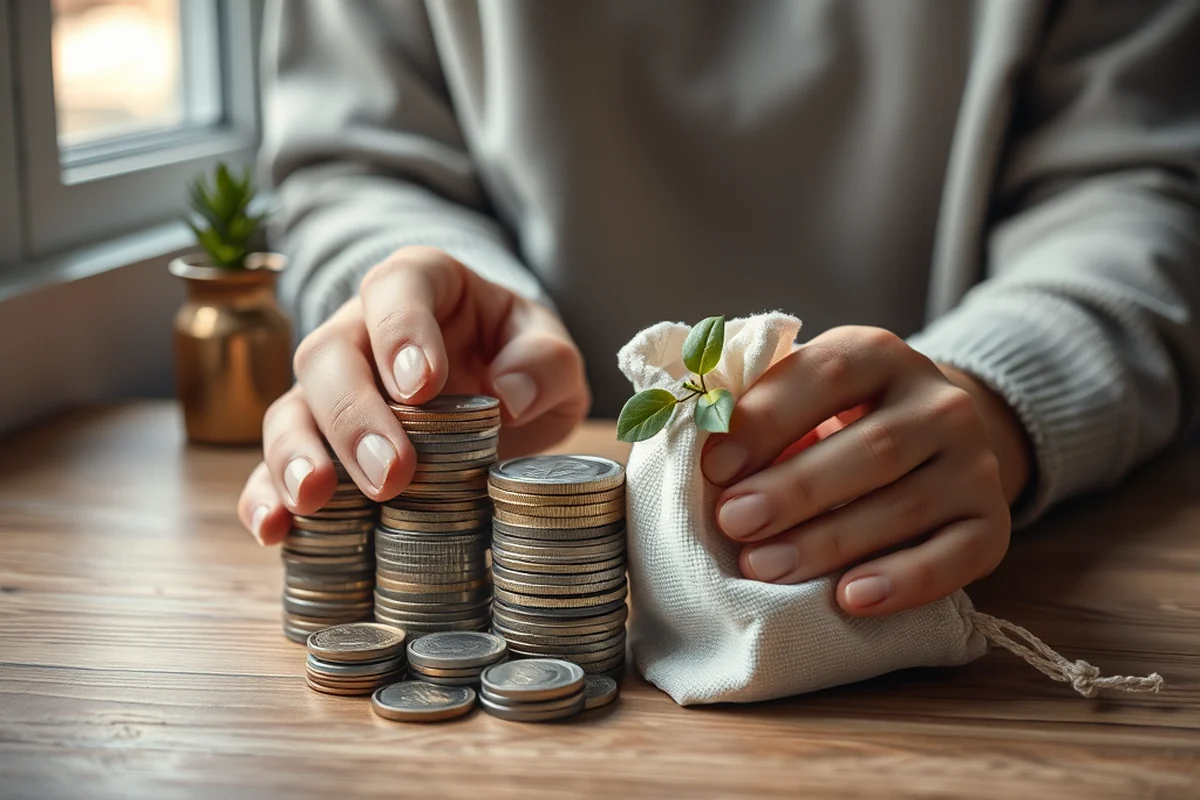
One of the biggest lessons I learned from living on an irregular income is the importance of an emergency fund. I used to think that I didn’t need one because I was saving enough each month. But when I had a month with no income, I quickly realized how unprepared I was.
Now, I set aside a small portion of every paycheck for an emergency fund. I also try to build up a larger fund during high-earning months. This gives me a financial cushion in case of unexpected expenses or income drops.
I’ve found that even a small emergency fund can make a big difference. It’s not about having a huge amount — it’s about having something there when you need it most.
Related: Irregular Income And Give Examples For Beginners
Related: Affordable Irregular Income
Related: Top Describe Irregular Income
Related: Top Describe Irregular Income And Give Examples
Managing Debt with Irregular Income
Debt can be a major source of stress for anyone, especially those with an irregular income. I used to struggle with paying off credit card debt because I didn’t know when my next paycheck would come. This made it hard to stay on top of my finances.
I realized that I needed a strategy to manage my debt in a way that worked with my income patterns. I started using the debt snowball method, which involves paying off the smallest debts first. This gave me a sense of accomplishment and kept me motivated.
Now, I make sure to prioritize my debt payments based on my income. I also try to avoid taking on new debt whenever possible. It’s not always easy, but it’s helped me stay in control of my finances.
Related: Describe Irregular Income And Give Examples Vs
Reducing Stress Through Financial Planning
Living on an irregular income can be stressful, but a good financial plan can help you feel more in control. I used to feel anxious about the future because I didn’t know when my next paycheck would come. This made it hard to plan for the long term.
I started by setting financial goals and creating a plan to achieve them. I also began using a budgeting app to track my income and expenses. This gave me a clear picture of my financial situation and helped me make better decisions.
Now, I feel more confident about my financial future. I’ve learned that even small steps can make a big difference in reducing stress and improving your quality of life.
A solid financial plan can turn uncertainty into confidence.
Building a Support System for Irregular Income
Living on an irregular income can be lonely, but having a support system can make a big difference. I used to feel isolated because I didn’t know anyone else who lived on an irregular income. This made it hard to get advice and support when I needed it.
I started joining online communities and forums where people shared their experiences and tips for managing irregular income. This gave me a sense of community and helped me learn from others who were in similar situations.
Now, I have a network of people who understand what I’m going through. We share tips, advice, and support each other when we need it. It’s made a big difference in how I manage my home life and finances.
💰 Low-Cost Living
This approach focuses on minimizing costs and maximizing savings through careful budgeting and smart spending.
🚀 High-Earnings Strategy
This approach is designed for those with a high-earning income who want to grow their wealth quickly and efficiently.
🔄 Irregular Income Plan
This plan is tailored for those with an unpredictable income, helping them manage their finances with flexibility and precision.
👫 Couples Sharing Income
This plan is for couples who share income and want to create a joint financial strategy that works for both of them.
🧭 Beginner’s Budget
This approach is perfect for those who are new to managing their finances and need a simple, easy-to-follow plan.
| The mistake | Why it happens | The fix |
|---|---|---|
| Ignoring your income patterns | Ignoring your income patterns can lead to overspending during high-income months and financial strain during low-income months. | Track your income over a 30-day period to understand your patterns and plan accordingly. |
| Not creating a budget | Not creating a budget can lead to overspending and financial stress, especially when your income is unpredictable. | Create a flexible budget that accounts for your income fluctuations and stick to it as closely as possible. |
| Not building an emergency fund | Not having an emergency fund can leave you vulnerable to unexpected expenses and financial shocks. | Set aside a portion of your income each week for an emergency fund, and build it up during high-income months. |
| Trying to live like you have a regular income | Trying to live like you have a regular income can lead to overspending and financial strain when your income drops. | Adjust your lifestyle to match your income patterns and avoid unnecessary expenses. |
Describe Irregular Income At Home
Common Questions
How can I manage my finances with an irregular income?
What should I do if I have no income for a few weeks?
How can I save money when my income is irregular?
What is the best way to plan meals on an irregular income?
Cite this guide
Freelance Irregular Income Finance (2026). Describe Irregular Income At Home. https://incomesmooth.com/describe-irregular-income-at-home/[4]
Feel free to cite or share this guide.
References
- Low-income workers experience the most earnings and work hours ... (brookings.edu)
- Rule 5101:4-4-13 | Food assistance: types of excluded income. (codes.ohio.gov)
- An essential guide to building an emergency fund (consumerfinance.gov)
- how do households adjust their earnings, saving, and (crr.bc.edu)