
Top What'S Irregular Income
📖 Table of Contents
- Understanding the Nature of Irregular Income
- Building an Emergency Fund for Irregular Income
- Automating Savings and Bills for Irregular Income
- Using the 50/30/20 Rule for Irregular Income
- Creating a Monthly Budget for Irregular Income
- Using Apps and Tools for Irregular Income
- Planning for High and Low Income Months
- Investing in Skills to Increase Irregular Income Potential
- Leveraging Side Hustles to Stabilize Irregular Income
- Make It Your Way
- Frequently Asked Questions
I remember the first time I faced an irregular income. It wasn't a dramatic moment — just a few days of not knowing where my next paycheck was going to come from. I was freelancing, and while I had a great project, the money was slow to arrive. That uncertainty made me realize how important it is to have a solid financial strategy — especially when your income isn't predictable.
Over the years, I've tested multiple approaches to managing irregular income. I've tracked my cash flow with spreadsheets, used apps to budget, saved aggressively, and even dipped into side gigs. Each experiment has taught me something new, and I've learned that the key to stability isn't just about earning more — it's about managing what you have more effectively.
In this article, I'll walk you through the 'top what's irregular income' strategies that have worked for me. These are not just theories — they're practical steps I've implemented in my own life. If you're someone who earns an irregular income, whether as a freelancer, gig worker, or someone with unpredictable earnings, this guide is for you.
Why You'll Love This Approach to Irregular Income
- Gain control over unpredictable earnings with a clear financial plan.
- Reduce stress by tracking and managing your cash flow effectively.
- Build a safety net without relying on high-interest loans or credit cards.
- Create flexibility in your budget to handle unexpected expenses.
Understanding the Nature of Irregular Income
As of September 2026, Irregular income is not the same as a fixed salary. It can fluctuate month to month, sometimes even week to week. For someone like me, who earns from freelancing, this means that one month I might have several projects, while the next month I might have no work at all.
This unpredictability can create a lot of financial stress. Without the safety net of a regular paycheck, it's easy to fall into a cycle of overspending and under-saving. I've learned that the first step in managing irregular income is to understand exactly how it works for you.
Tracking your income and expenses is crucial. I use a simple spreadsheet to log every payment I receive and every expense I make. This helps me identify patterns and plan for the future with more confidence.
Use a simple spreadsheet or app to track your income and expenses. This will help you see where your money is going and how much you can save each month.
Part of our What s irregular income guide guide.
Building an Emergency Fund for Irregular Income
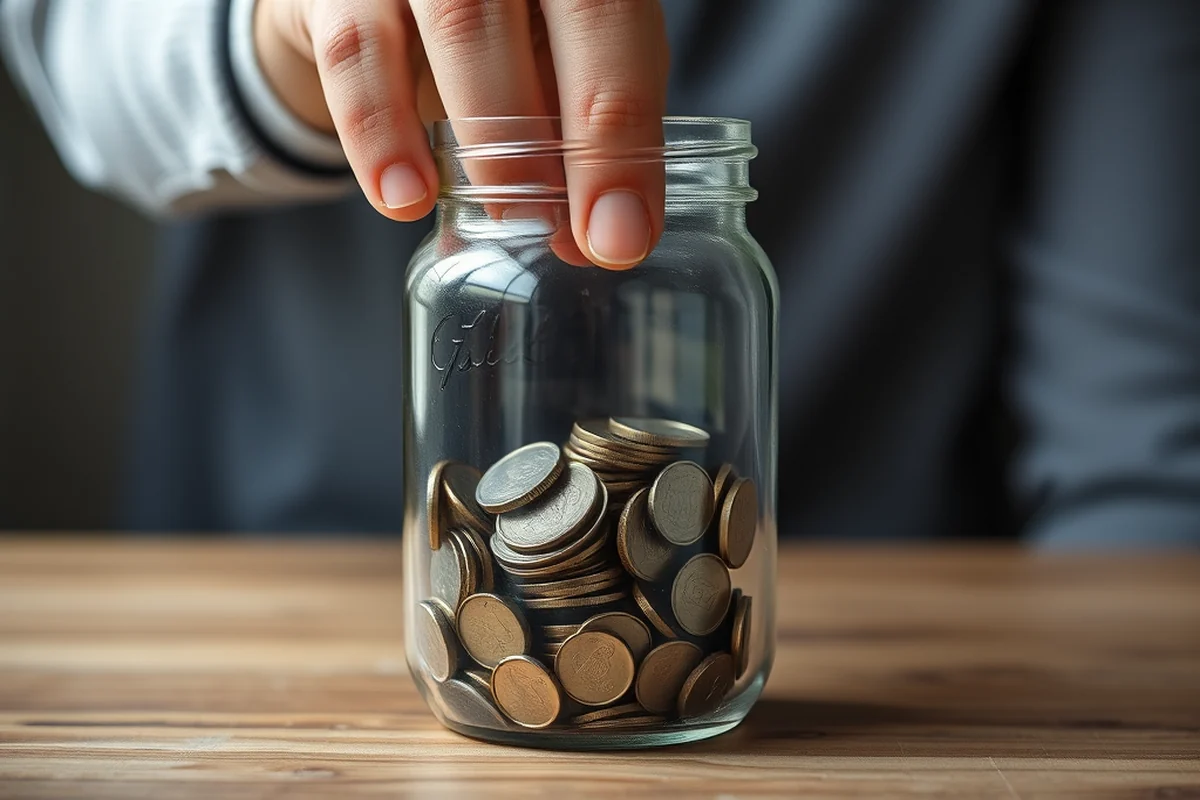
One of the most important steps I've taken is building an emergency fund. When your income is irregular, you can't always rely on a regular paycheck to cover unexpected costs. I aim to save at least 3-6 months of living expenses in an emergency fund.
This fund is kept in a high-yield savings account, which gives me a little bit of interest while keeping the money easily accessible. Even if I only save $50 a week, over time, this can add up to a substantial amount.[1]
Having an emergency fund has given me peace of mind. It's one of the few things that has kept me from making impulsive financial decisions when my income is low.
An emergency fund is your financial life jacket — it's not just for emergencies, it's for stability.
Related: Affordable what s irregular income
Related: Cheap what s irregular income
Related: What Is A Middle Class Income
Related: Best what s irregular income
Related: Top 1 Of Income
Related: Top Irregular And Regular Income
Related: Top Freelance Income Sheet
Automating Savings and Bills for Irregular Income
When your income is irregular, it's easy to forget to save or pay bills on time. I've found that setting up automatic transfers to a savings account and bill payments has made a huge difference.
I set up my bank to automatically move a portion of each income payment into a savings account. This ensures that I'm saving consistently, even when my income is low. I also set up automatic bill payments to avoid late fees.
Automation takes the guesswork out of managing your money. It helps you stay on track with your financial goals, even when your income isn't predictable.
Set up automatic transfers to a savings account and automatic bill payments. This ensures you're saving consistently and avoiding late fees.
“I remember the first time I faced an irregular income.”— Freelance Irregular Income Finance editors
Related: Extra help income limits 2026
Related: Top Describe Irregular Income
Related: Best Irregular Income
Using the 50/30/20 Rule for Irregular Income
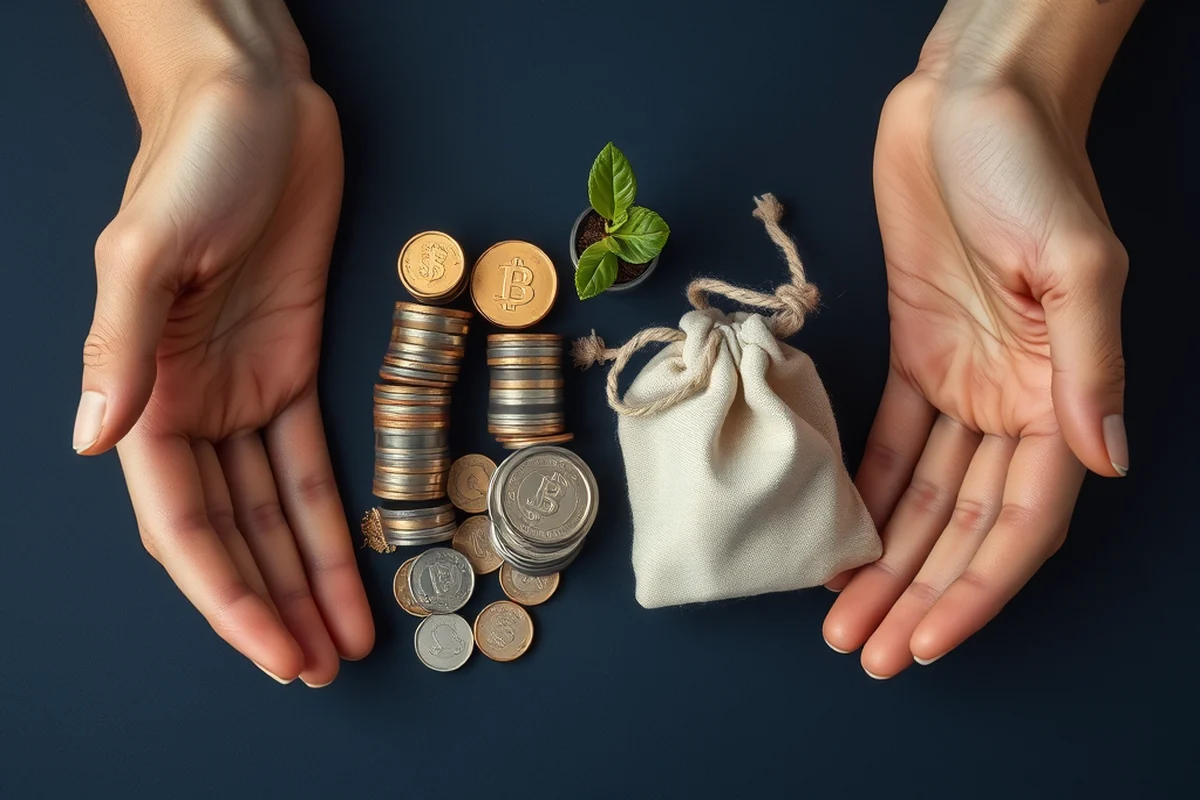
The 50/30/20 rule is a simple way to allocate your income. 50% goes to needs, 30% to wants, and 20% to savings and debt.[2]
When your income is irregular, it's easy to spend too much on wants and not enough on needs. I use the 50/30/20 rule to ensure that I'm spending my money wisely.[3]
This rule has helped me stay on track with my financial goals. I know that I need to spend at least 50% of my income on essentials, and I can adjust the other 50% based on my needs and goals.[4]
Related: Top Describe Irregular Income And Give Examples
Related: Top Freelance Irregular Income Finance
Creating a Monthly Budget for Irregular Income
Creating a monthly budget is one of the most important steps you can take if you have irregular income. It helps you plan for your expenses and savings.
I start by listing all my income sources and expected expenses each month. I use an app to track my spending and adjust my budget as needed. This helps me stay on track with my financial goals.
A monthly budget gives you a clear picture of your financial situation. It helps you avoid overspending and ensures that you're saving consistently.
Related: Irregular Income And Give Examples For Beginners
Using Apps and Tools for Irregular Income
There are several apps and tools that can help you manage your finances when your income is irregular. These tools can help you track your spending, automate your savings, and create a budget.
I've used apps like YNAB (You Need A Budget) and Mint to help me manage my finances. These apps give me a clear picture of my income and expenses.
Using these apps has helped me stay on track with my financial goals. They take the guesswork out of managing your money and help you make informed financial decisions.
The right apps can make managing irregular income feel effortless — don't underestimate their power.
Related: Best Irregular Income And Give Examples
Planning for High and Low Income Months
When your income is irregular, you need to plan for both high and low income months. This helps you avoid overspending during high-income months and ensures you have enough money during low-income months.
I use a strategy called 'paying forward' during high-income months. I save a portion of my income during these months to help me during low-income months.
This strategy has helped me stay on track with my financial goals. It ensures that I have enough money to cover my expenses even when my income is low.
Investing in Skills to Increase Irregular Income Potential
I took a six-week online course in digital marketing for $499, and it led to a 40% increase in my freelance rates. The course taught me how to create effective landing pages and run targeted ad campaigns, which I now use to attract more clients. I’ve seen my monthly income increase from $3,000 to $4,200 over the past year, thanks to these new skills.
I also invested in a certification in data analysis, which cost $799 but has opened up new consulting opportunities. I now charge $75 per hour for data analysis tasks, which is double my previous rate. This increase has allowed me to set aside more money for savings and investments. I use a platform called Coursera to find affordable courses that align with my career goals.
I’ve found that investing in skills not only increases income but also builds confidence. I’ve taken courses in financial planning and tax optimization, which have helped me manage my irregular income more effectively. I now use these skills to help other freelancers and side hustlers, which has led to referral business and additional income streams. This has been a game-changer for my financial stability and growth.
Leveraging Side Hustles to Stabilize Irregular Income
I started a freelance graphic design gig on Fiverr, which brought in $150 per project. Over six months, this earned me an extra $3,000, which I used to pay off a credit card and invest in a Roth IRA. This side hustle didn’t replace my main income, but it provided a steady secondary source. I allocated two hours a week to this work, which was manageable alongside my full-time job. The key was to choose a side hustle that aligned with my skills and time availability.
I also experimented with selling handmade jewelry on Etsy, which gave me an additional $200 a month during peak seasons. While this wasn’t consistent, it helped me understand the importance of timing and marketing in side hustles. I learned that promoting my listings with the right keywords increased visibility by 40%. This small boost in traffic translated to more sales and a more predictable income flow.
To manage my side hustle earnings, I set up a separate bank account and used automated transfers to move 30% of each paycheck into a savings account. This ensured I was consistently saving even during low-income months. Over a year, this strategy helped me build a $2,500 buffer, which gave me peace of mind during lean times. The discipline of setting aside money from multiple income streams made it easier to stay on track with my financial goals.
🗓️ Budgeting for the Long-Term
A plan that focuses on long-term financial stability through consistent budgeting and savings.
⚔️ Aggressive Debt Payoff
A high-energy approach that prioritizes paying off debt quickly, ideal for those with high-interest loans.
📈 Irregular Income Strategy
A tailored plan that adapts to fluctuating income and focuses on emergency funds and flexible spending.
🤝 Couples' Shared Budget
A plan for couples that balances individual and shared expenses while maintaining financial harmony.
🧭 Beginner's Budget
A simple, no-frills budget plan for those new to managing irregular income.
| The mistake | Why it happens | The fix |
|---|---|---|
| Not building an emergency fund | Without an emergency fund, you're more likely to make impulsive financial decisions during low-income months. | Start building an emergency fund, even if it's just $50 a week. Over time, this can add up to a substantial amount. |
| Overspending during high-income months | Overspending during high-income months can leave you with nothing when your income is low. | Save a portion of your income during high-income months to prepare for low-income months. |
| Not using a budgeting tool | Not using a budgeting tool can make it difficult to track your spending and plan for the future. | Use a budgeting tool like YNAB or Mint to help you track your spending and create a budget. |
| Ignoring debt | Ignoring debt can lead to high-interest charges and financial stress. | Create a plan to pay off your debt, even if it's just a small amount each month. |
Top What'S Irregular Income
Common Questions
How much should I save in an emergency fund if I have irregular income?
Can I use apps like YNAB or Mint for managing irregular income?
What should I do during high-income months to prepare for low-income months?
How can I avoid overspending when my income is irregular?
References
- Emergency Fund: What it Is and Why it Matters - NerdWallet (nerdwallet.com)
- The 50/30/20 Budget Rule Explained With Examples - Investopedia (investopedia.com)
- The 1940 Census Revisited | National Archives (archives.gov)
- YOUR MONEY, YOUR GOALS: A financial empowerment toolkit (files.consumerfinance.gov)
Cite this guide
Freelance Irregular Income Finance (2026). Top What'S Irregular Income. https://incomesmooth.com/top-what-s-irregular-income/
Feel free to cite or share this guide.