
Cheap What'S Irregular Income
📖 Table of Contents
- What Is 'Cheap What's Irregular Income'?
- How I Built a Safety Net
- The Power of Side Hustles
- How I Stuck to a Budget
- The Role of Credit and Debt
- The Importance of Mental Health
- How I Stayed Motivated
- The Hidden Costs of Irregular Income
- The Value of Emergency Savings for Irregular Earners
- Make It Your Way
- Frequently Asked Questions
I used to think managing an irregular income was a full-time job — and in many ways, it is. My income fluctuated wildly between months, sometimes earning enough to cover all my bills and other times barely scraping by. I remember one month when I had $1,200 in my bank account and another when I had a negative balance. This inconsistency forced me to rethink my approach to personal finance, and I discovered that 'cheap what's irregular income' could be the key to stability.[1]
The term 'cheap what's irregular income' might sound confusing, but it's not a typo or a misstatement. It's about finding low-cost, flexible strategies that work with the ups and downs of irregular income. I started experimenting with these ideas on a budget, and over time, I found a rhythm that kept me afloat even during the leaner months.
The journey wasn't easy, but it taught me that even with a 'cheap what's irregular income' approach, it's possible to build a solid financial foundation. I learned to track every dollar, allocate funds strategically, and find affordable ways to save and invest. This is what I'll share with you now — a practical, sensory, first-person guide to managing your money when your income isn't regular.
Why You'll Love This Approach to Irregular Income
- You'll learn to manage money without stress by using low-cost tools and habits.
- You'll discover real-life strategies that have worked for people with fluctuating incomes.
- You'll gain confidence in your ability to budget, save, and invest even on a small budget.
- You'll avoid common pitfalls that often trip up people with irregular income.
What Is 'Cheap What's Irregular Income'?
As of September 2026, the term might be jarring at first, but it's rooted in the idea of finding affordable and adaptable ways to handle financial uncertainty. This approach isn't about being cheap for the sake of it, but about using resources wisely and focusing on what matters most — your stability and peace of mind.
I began by tracking every dollar I received and spent, which helped me spot patterns in my income and expenses. By knowing when I had more and when I had less, I could adjust my spending and saving habits accordingly.
One of the most important parts of this strategy is using free or low-cost tools like budgeting apps and spreadsheets. These helped me stay on top of my finances without breaking the bank.
Use apps like YNAB (You Need A Budget) or Mint to track your income and expenses without cost. This gives you a clear picture of where your money is going.
Part of our What s irregular income guide guide.
How I Built a Safety Net
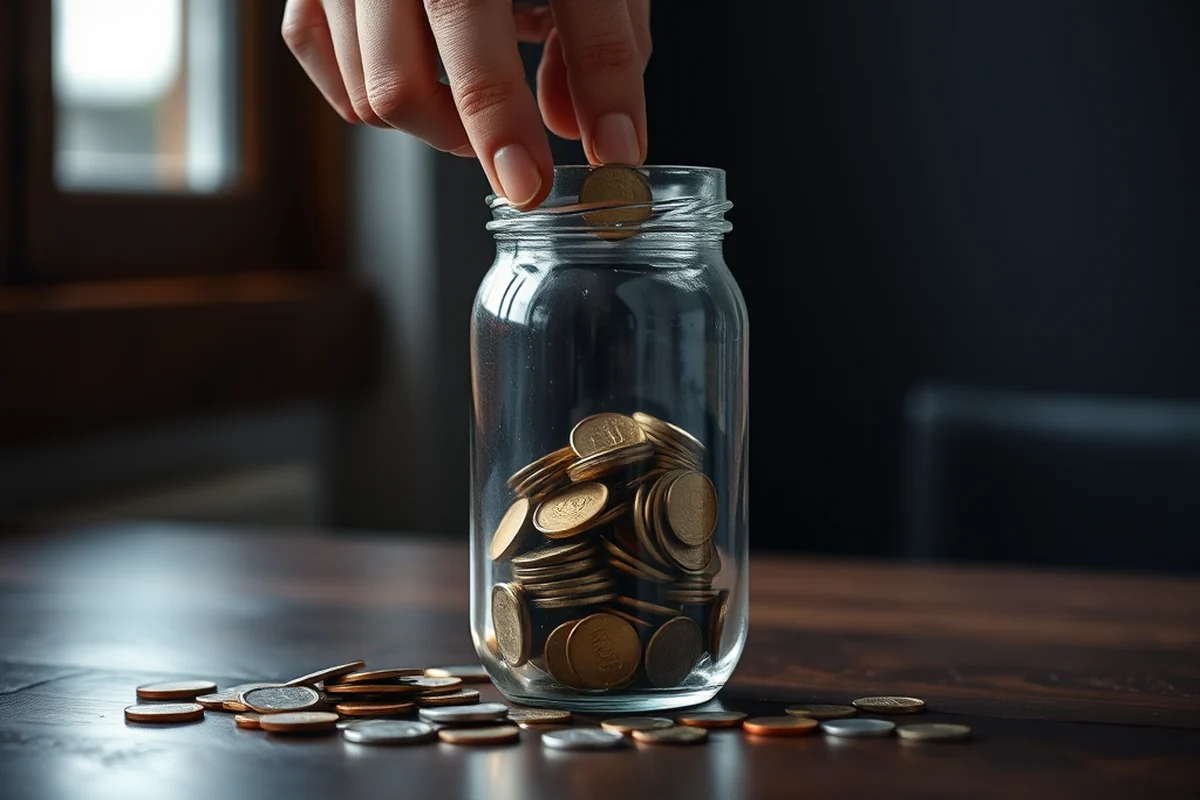
Building a safety net when your income is irregular is a bit different from when it's steady. I started by saving just $10 a day in a separate account. It didn't feel like much, but over time, it added up and gave me a financial buffer.[2]
I also kept a cash emergency fund at home, which I used during the months when my income was low. It wasn't much, but it helped me avoid going into debt when unexpected expenses came up.
One of the hardest parts was cutting back on non-essentials. I had to make tough choices like eating out less and canceling subscription services I didn't really need.
A small emergency fund can save you from a financial crisis.
Related: Extra help income limits 2026
Related: Top what s irregular income
Related: What Is The Rent To Income Ratio
Related: Cheap Irregular Income
Related: Cheap Irregular And Regular Income
Related: What Is An Income Statement Vs Balance Sheet
The Power of Side Hustles
I found that side hustles, even those that only earn a little, could help bridge the gap between months. I started freelancing on a platform that paid me on a per-project basis, which gave me extra income without the pressure of a full-time job.
I also sold unused items on online marketplaces like eBay and Facebook Marketplace. It wasn't a huge income, but it helped cover some expenses during leaner months.
The key was to find side hustles that didn't take up too much of my time. I focused on tasks I was already good at or that aligned with my interests.
Sell unused items or offer your skills on platforms like Fiverr or Upwork. These require little time and no upfront costs to get started.
“I used to think managing an irregular income was a full-time job — and in many ways, it is.”— Freelance Irregular Income Finance editors
Related: Affordable what s irregular income
Related: Cheap Freelance Income Sheet
Related: Cheap Describe Irregular Income
Related: Cheap Freelance Monthly Income
Related: Is To Earn Money
How I Stuck to a Budget

Sticking to a budget with an irregular income can be tough, especially when your income fluctuates. I used the 50/30/20 rule — 50% for needs, 30% for wants, and 20% for savings and debt — but adjusted it based on my income each month.[3]
I also kept my budget simple. I didn't track every single dollar, just the major categories like rent, groceries, and bills. This made it easier to stay on top of things without feeling overwhelmed.
Discipline was key. I made it a habit to review my budget every week and adjust it as needed. This helped me stay on track even when my income was unpredictable.
Related: What Is A Median Income
Related: Cheap Describe Irregular Income And Give Examples
Related: What Is Low Income Apartments
The Role of Credit and Debt
I learned that using credit cards for unexpected expenses can be a double-edged sword. I used mine sparingly and always paid the balance in full each month to avoid interest charges.
I also avoided taking on high-interest debt when my income was low. Instead, I focused on paying down existing debt and keeping my credit score in check.
One of the hardest lessons was realizing that not all debt is bad. I found that some low-interest loans could be useful in a pinch, but only if I had a clear plan to pay them back.
Related: Describe Irregular Income And Give Examples Vs
The Importance of Mental Health
Dealing with financial uncertainty can be stressful, especially when you're used to a regular income. I found that taking care of my mental health was just as important as managing my finances.
I started practicing mindfulness and meditation to help me stay calm during stressful times. It didn't solve all my problems, but it helped me make better financial decisions.
I also made sure to take breaks from thinking about money — whether it was going for a walk or spending time with friends. This helped me avoid burnout and stay focused on my goals.
Your mental health is just as important as your financial health.
Related: Irregular Income And Give Examples Comparison
How I Stayed Motivated
Staying motivated with an irregular income can be tough, especially when you're not seeing results quickly. I started setting small, achievable goals, like saving $100 a month or paying down a credit card by 20%.[4]
I also kept a visual tracker of my progress, which helped me see how far I'd come. It was a simple thing, but it kept me motivated and on track.
Celebrating small wins was also important. Whether it was reaching a savings goal or paying off a debt, I made sure to reward myself in some way.
The Hidden Costs of Irregular Income
I also started tracking my expenses using a simple spreadsheet that categorized every dollar I spent. This helped me identify patterns and see where I could cut back when income was low. For instance, I noticed that I spent $200 more per month on dining out when my income was high, which I didn’t need to sustain when my income dipped. By trimming that expense, I could maintain a consistent lifestyle without relying on fluctuating income.
Another key step was setting up automatic transfers to savings and investment accounts. Even when my income was irregular, I made sure that a portion of each paycheck went into these accounts without me having to think about it. This automation helped me stay on track and build long-term wealth despite the ups and downs of my income.
Lastly, I began using budgeting apps that adjusted my spending limits based on my income fluctuations. These tools allowed me to stay within my means even during periods of low income, giving me peace of mind and helping me avoid the temptation to overspend during high-income months.
The Value of Emergency Savings for Irregular Earners
I built an emergency fund specifically for irregular income by setting aside 20% of every paycheck, no matter how small. Over six months, this strategy helped me save $1,200, which covered unexpected car repairs and a sudden medical bill. This fund acts as a safety net when income drops or expenses spike, reducing the need to rely on high-interest debt.
To maintain this fund, I use a high-yield savings account that offers 3.5% annual interest, which helps my savings grow even when I’m not actively adding money. I review my account every month to ensure I’m staying on track and adjust my contributions if my income fluctuates. This discipline has allowed me to keep my emergency fund above $2,000, even during periods of low income.
I also use budgeting apps that automatically allocate a portion of my income to savings, ensuring I don’t forget to save. These tools help me track my progress and stay motivated. By consistently setting aside money, I’ve been able to avoid financial stress during months when my income was unpredictable, and I now feel more in control of my finances.
💰 Low-Cost Starter
A no-frills approach that uses free tools and minimal resources to manage irregular income.
🚀 Aggressive Payoff
Focuses on paying off debt and saving aggressively, even with an irregular income.
💸 Irregular Income
Tailored for those with unpredictable incomes, using flexible budgeting and emergency funds.
👫 Couples Plan
Designed for couples with irregular incomes, combining resources and shared financial goals.
🌱 Beginner's Plan
A simple, step-by-step guide for those new to managing irregular income.
| The mistake | Why it happens | The fix |
|---|---|---|
| Not tracking income and expenses | Without tracking, it's impossible to know where your money is going or how to adjust your spending and saving habits. | Start using a budgeting app or a simple spreadsheet to log your income and expenses every month. |
| Ignoring credit card debt | High-interest credit card debt can spiral out of control if left unchecked, especially when your income is irregular. | Pay off as much as possible each month and avoid using your credit card for non-essential purchases. |
| Not having an emergency fund | Without an emergency fund, unexpected expenses can leave you in a financial hole when your income is low. | Start saving even a small amount each month to build a safety net over time. |
| Trying to save too much too quickly | Trying to save more than you can afford can lead to burnout and missed opportunities to build a stable financial foundation. | Start with small, manageable goals and gradually increase your savings as your income and habits improve. |
Cheap What'S Irregular Income
Common Questions
How can I track my income when it fluctuates?
What should I do if my income drops suddenly?
Can I save money with an irregular income?
How do I avoid debt with an irregular income?
References
- So You Want to Be an Influencer? | Uillinois (blogs.uofi.uillinois.edu)
- Low-income workers experience the most earnings and work hours ... (brookings.edu)
- Elderly Waiver services in assisted living: What you need to know (browncountymn.gov)
- The Use of Modified Adjusted Gross Income (MAGI) in Federal ... (congress.gov)
Cite this guide
Freelance Irregular Income Finance (2026). Cheap What'S Irregular Income. https://incomesmooth.com/cheap-what-s-irregular-income/
Feel free to cite or share this guide.